
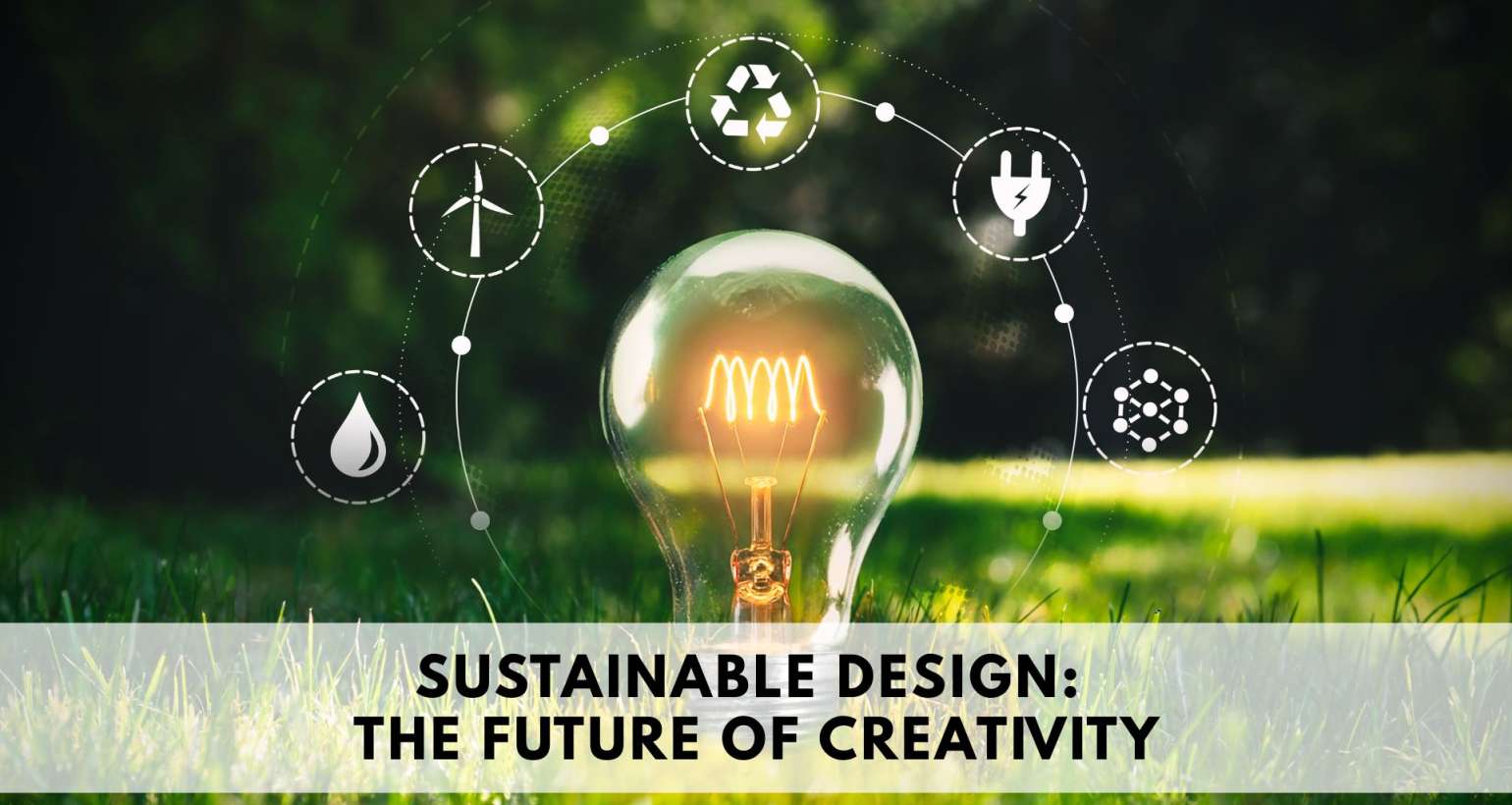
What is Sustainable Design?
Sustainability is no longer a niche concern. It is reshaping how creativity itself is defined. Across industries, designers are moving beyond aesthetics to consider impact, responsibility, and long-term value. From products and spaces to branding and communication, sustainable design trends are influencing a new creative mindset, one that balances innovation with ethics.
At its core, design for sustainability is about creating solutions that minimise environmental impact while remaining functional and purposeful. This could mean using recycled or renewable materials, reducing waste in production, or designing with longevity in mind. Increasingly, eco-friendly design is not just about what is created, but how thoughtfully it is made and how it exists over time.
Why Sustainable Design Matters Today
This shift is being driven by a growing awareness of climate change, resource scarcity, and the environmental cost of mass production. Today’s consumers are more informed and expect greater accountability from brands. As a result, designers are no longer just creators, but have become decision-makers shaping systems, behaviours, and perceptions.
This is why sustainable design trends are becoming central to both industry practice and design education.
Key Sustainable Design Trends
Circular Design Thinking
One of the most significant developments is the move towards circular thinking. Instead of designing for short-term use, creatives are now considering how products and systems can be reused, repaired, or recycled.
Material Innovation
Material innovation is also playing a key role, with designers experimenting with biodegradable alternatives, recycled waste, and low-impact resources.
Minimalism with Purpose
Minimalism is evolving beyond visual simplicity into intentional reduction, such as less waste, fewer resources, and more clarity in both form and function.
Green Design in Graphic Design
Even in digital spaces, sustainability is gaining importance. Green design in graphic design focuses on reducing environmental impact through smarter choices, such as optimising file sizes, limiting energy-heavy elements, and prioritising digital-first solutions over print.
It also encourages designers to create work that is timeless rather than trend-driven, reducing the need for constant redesign and production.
The Role of Designers in a Sustainable Future
This evolution is redefining what good design looks like. It is no longer enough for a product or visual to be aesthetically pleasing; it must also be responsible.
For designers, this introduces both a challenge and an opportunity. Constraints around materials, processes, and impact often lead to deeper thinking and more innovative solutions. In this way, sustainability does not limit creativity; it expands it.
Challenges in Sustainable Design
Despite its importance, the transition comes with challenges. Sustainable materials can be more expensive or less accessible, and balancing functionality, aesthetics, and environmental responsibility requires careful consideration.
There is also the growing issue of ‘greenwashing’, where sustainability is presented as a marketing tool rather than a genuine practice. As awareness grows, authenticity and transparency are becoming critical.
Why Sustainable Design Matters for Students
For students and emerging designers, understanding design for sustainability is no longer optional, but essential. Leading institutions and creative industries are increasingly looking for individuals who can demonstrate awareness of environmental impact and apply it meaningfully in their work.
What Top Institutions Look For
Portfolios today are expected to show more than visual skill; they must reflect depth of thinking, real-world relevance, and a conscious approach to design.
Students are encouraged to explore physical prototypes, experiment with materials, and consider how their ideas interact with space, function, and sustainability. In this context, eco-friendly design becomes a powerful differentiator.
The Future of Creativity
Ultimately, sustainable design represents a broader shift in how creativity is understood. It is not just about expression, but about intention.
The future lies in balancing innovation with responsibility, where design is not only impactful but also conscious. As sustainable design trends continue to evolve, the most compelling work will come from those who can create with both purpose and perspective.
FAQs: People Also Ask
What is sustainable design, and why is it important?
Sustainable design focuses on creating products and systems that reduce environmental impact while maintaining functionality and value. It is important because it addresses global challenges like climate change and resource depletion, while encouraging more responsible and ethical creative practices.
What are the latest sustainable design trends?
Current sustainable design trends include circular design systems, the use of recycled and biodegradable materials, minimal production processes, and integrating sustainability into digital design.
How is eco-friendly design used in graphic design?
Eco-friendly design in graphic design involves using sustainable printing methods, reducing material usage, and prioritising digital formats, along with creating timeless designs that reduce frequent updates.
What is green design in graphic design?
Green design in graphic design focuses on reducing environmental impact through both print and digital outputs, including recyclable materials, eco-friendly inks, and efficient layouts.
How can students incorporate design for sustainability in their work?
Students can apply design for sustainability by experimenting with recycled materials, building prototypes, and addressing real-world environmental challenges in their projects.
Is sustainable design the future of creativity?
Yes, sustainable design is widely considered the future of creativity, as industries increasingly prioritise responsible and impactful design practices.