For decades, when people thought about careers in art and design, they usually imagined painters, graphic designers, fashion designers, architects, or illustrators. Today, that picture looks very different. Advances in technology, artificial intelligence, gaming, virtual reality, social media, and digital products have transformed the creative industry. As a result, entirely new career paths have emerged, many of which did not even exist a decade ago. For students considering a future in art and design, this is exciting news. Creativity is no longer confined…
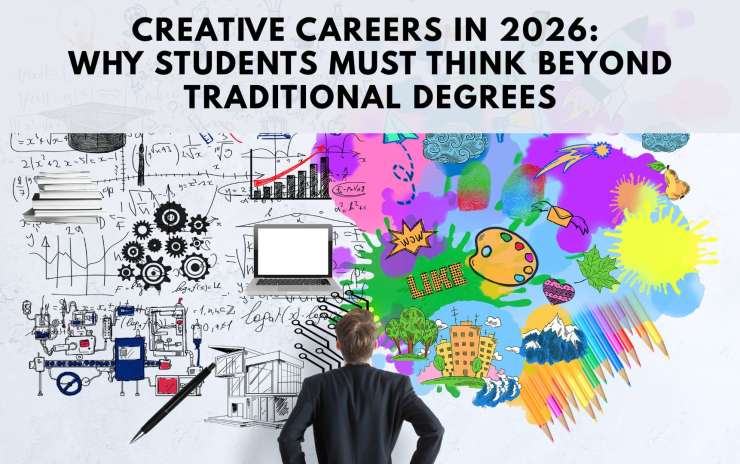
For years, students were taught to follow a predictable formula: choose science, commerce, or humanities, secure high grades, pursue a conventional degree, and eventually settle into a stable profession. However, the world students are stepping into today looks very different. Industries are changing faster than ever. Ar0tificial Intelligence is reshaping the way businesses work. Creative fields are no longer viewed as ‘alternative’ careers. Employers are increasingly looking for individuals who can think critically, communicate ideas effectively, adapt quickly to change, and solve problems…
What is Sustainable Design? Sustainability is no longer a niche concern. It is reshaping how creativity itself is defined. Across industries, designers are moving beyond aesthetics to consider impact, responsibility, and long-term value. From products and spaces to branding and communication, sustainable design trends are influencing a new creative mindset, one that balances innovation with ethics. At its core, design for sustainability is about creating solutions that minimise environmental impact while remaining functional and purposeful. This could mean using recycled or renewable materials,…
In a world obsessed with speed, where trends change overnight and consumerism thrives on instant gratification, slow design is emerging as a powerful counter current. Rooted in mindfulness, sustainability, and craftsmanship, this design philosophy invites us to reflect and create with purpose. For students exploring art and design education abroad, understanding the principles of slow design is essential as it shapes not only how we make things but also how we think about creativity, culture, and the environment. Understanding the Slow Design Movement…
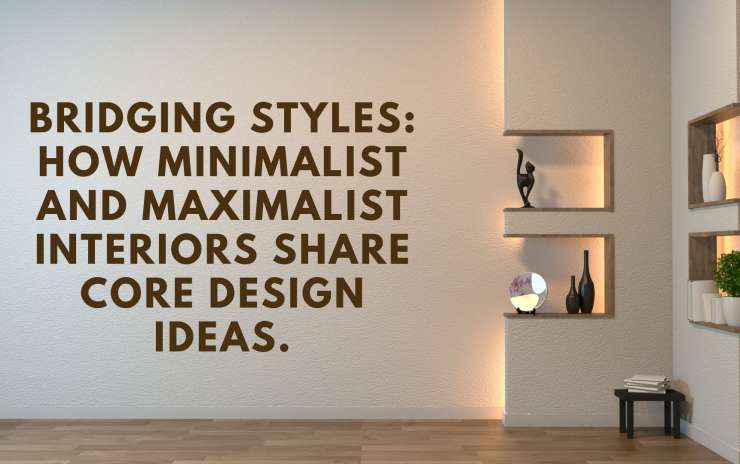
Minimalism and maximalism are often seen as opposing design philosophies, since one celebrates simplicity and restraint, while the other embraces abundance and boldness. However, these contrasting styles share several core principles that can be harmoniously integrated to create spaces that are both aesthetically pleasing and functional. Layering Decor Both minimalist and maximalist designs utilize layering to add depth and interest to a space. In minimalism, this might involve layering textures like linen throws over a neutral-toned sofa, creating a sense of warmth without…
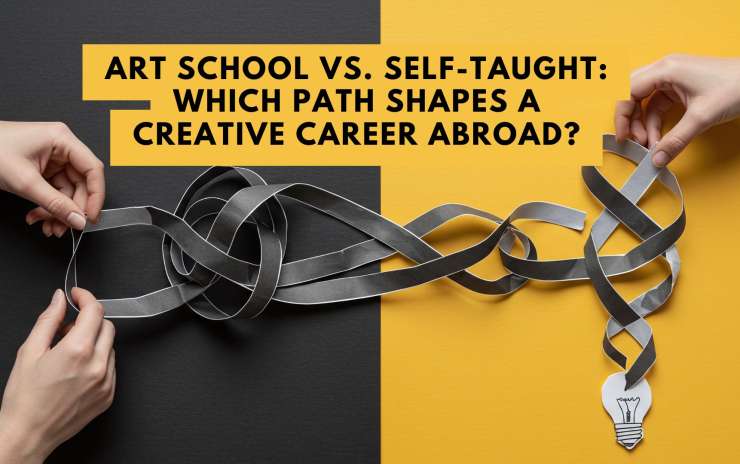
Every aspiring artist or designer reaches a crossroads: should they pursue a formal art school education, often at a prestigious international university, or carve out their own path as a self-taught creative? With the global demand for design skills on the rise, in industries as varied as fashion, animation, gaming, fine arts, and UX/UI, the decision has never been more relevant. For students in India exploring study abroad opportunities, this question shapes not only their creative journey but also their career prospects in…
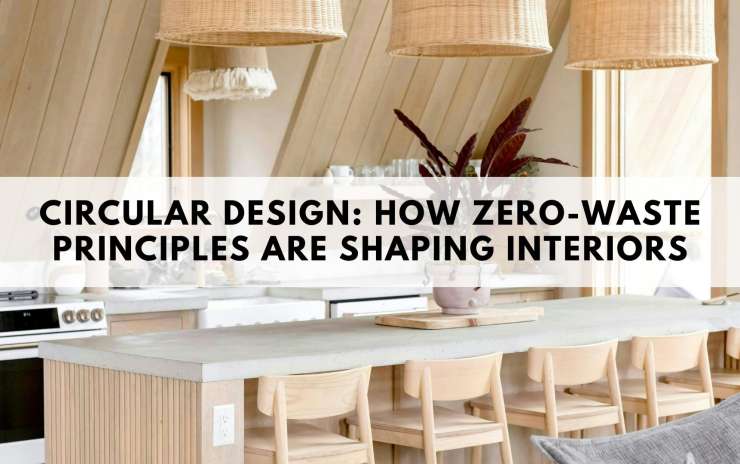
The push toward sustainability is not just a trend. It is rethinking the way designers imagine homes, offices, and public spaces. Zero-waste design principles are inspiring more eco-conscious interiors through recycled materials, modular systems, and smart reuse of resources. Let us delve into how these shifts are redefining elegance and ethics in interior design. Recycled & Upcycled Materials: A New Aesthetic with Old Stories Designers are turning to materials that would otherwise end up in landfills. Reclaimed wood, recycled glass, and repurposed metals…
The Ethical Imperative in Design In today’s global marketplace, where conscious consumers increasingly demand transparency and sustainability, the design industry is at a crossroads. Designers are no longer judged solely by aesthetics or functionality. They are evaluated on their commitment to people and the planet. Ethical sourcing, fair trade, and responsible production are no longer optional. They are essential pillars that allow creatives to produce work that is both innovative and socially responsible. Prioritizing these principles ensures that design can lead to positive…
The design industry is undergoing a revolutionary shift towards sustainability, with the adoption of biodegradable and regenerative materials reshaping product and interior design. Mycelium, bamboo, and bio-plastics are at the forefront of this movement, offering innovative solutions that align with environmental goals. Mycelium: From Fungi to Functional Design Mycelium, the root structure of fungi, is gaining recognition for its potential in sustainable design. Researchers at IIT Madras have developed biodegradable packaging materials using agricultural waste and mycelium composites, demonstrating superior mechanical strength compared…